Land Collective Won Two SARA Awards!
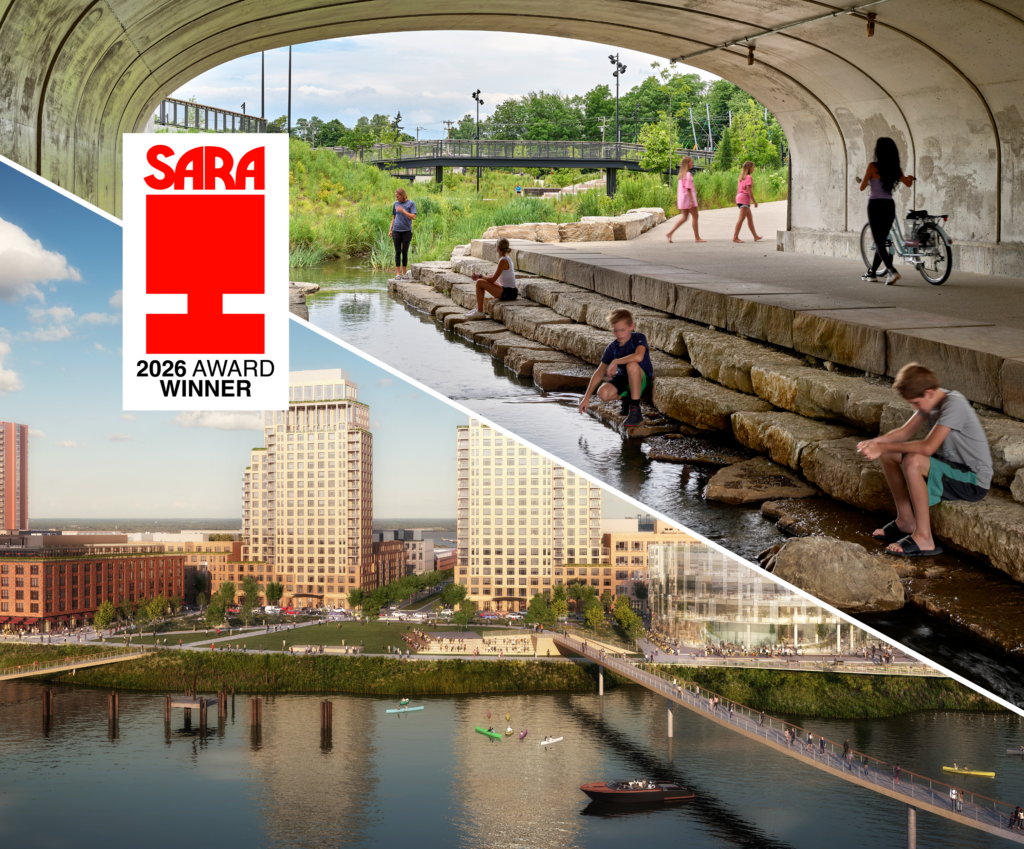
Land Collective is honored to receive two SARA National Design Awards, for Grand Junction Park and Wilmington South Market Master Plan!
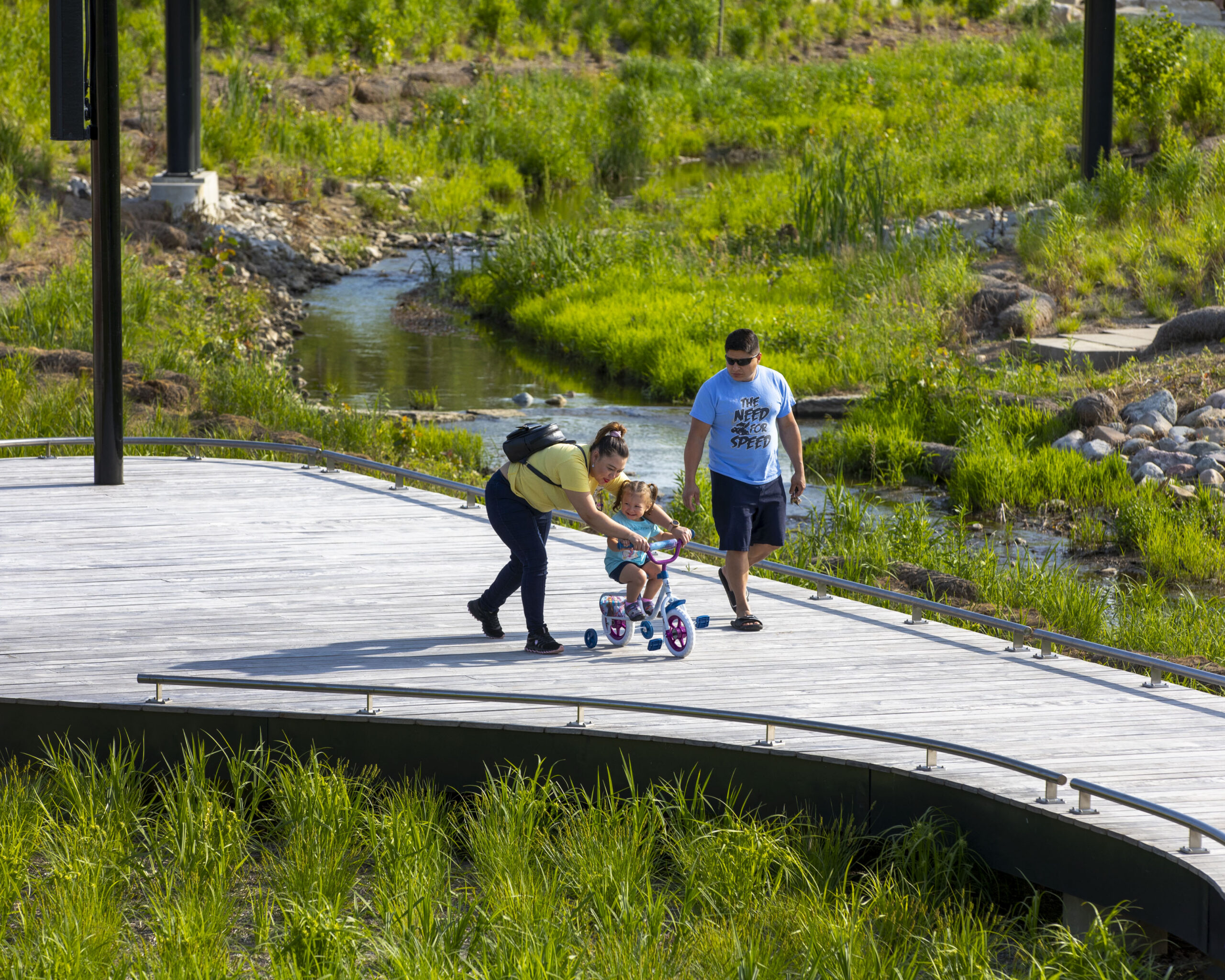 Image Credit: Hadley Fruits
Grand Junction Park won a SARA Award for Landscape Architecture! Grand Junction Plaza transforms a neglected stream into a resilient ecological corridor and defining civic landscape in Westfield, Indiana. What began as a degraded waterway and underused, underappreciated landscape is now a defining destination for community life, a hub within the regional trail network, and the centerpiece of Westfield’s evolving identity. Through ecological restoration, resilient infrastructure, and exceptional public space, Grand Junction has catalyzed an urban transformation, impacting today’s residents and generations of Westfield residents to come.
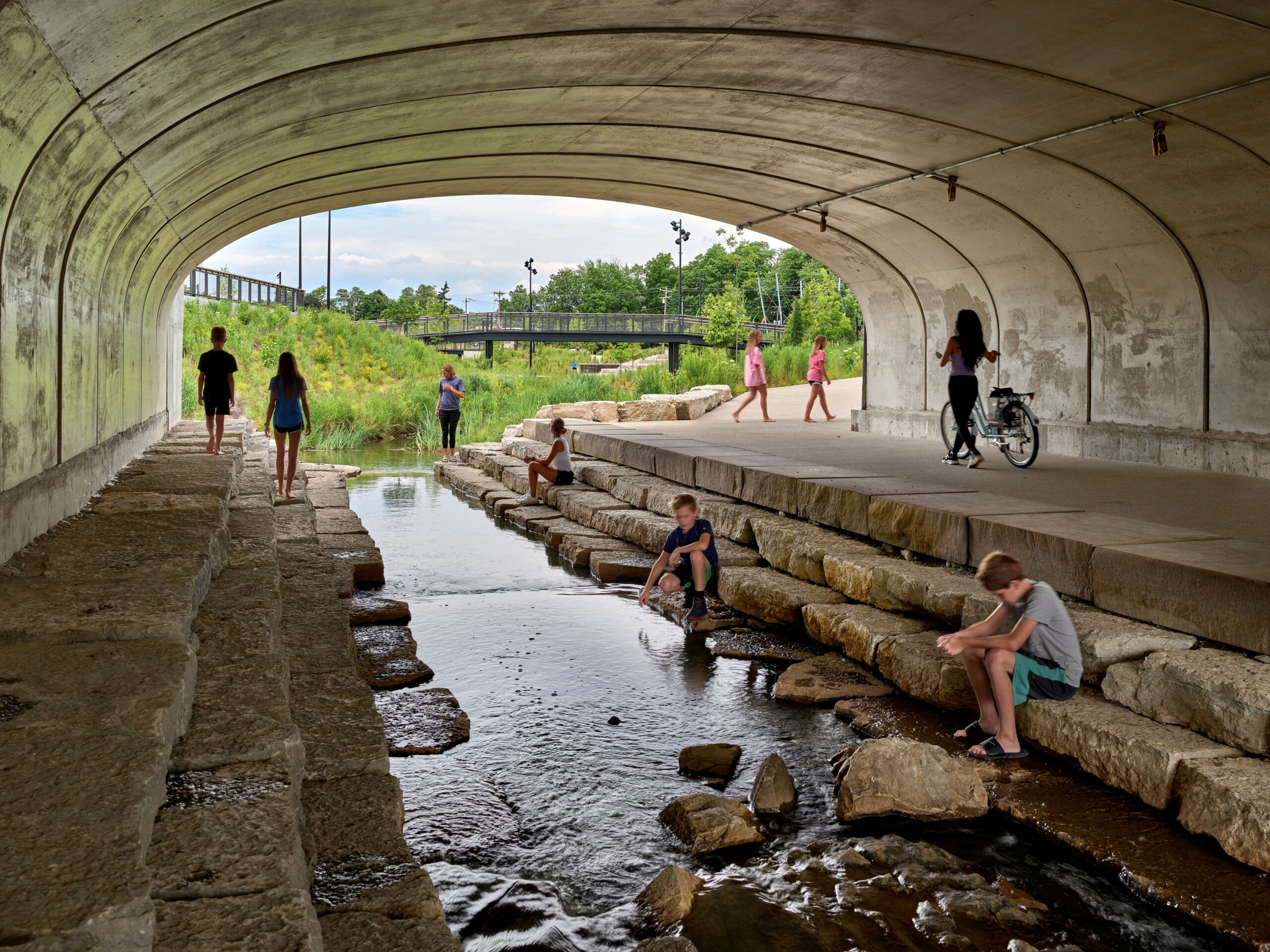 Image Credit: Alan Karchmer
In the years since construction, Grand Junction Plaza has catalyzed significant community growth and development. Through $500 million in proposed and applied investments, this central landscape supports new mixed-use development and businesses, strengthens the vitality of surrounding streets, and now sits as a key destination in Westfield’s regional trail system. More importantly, it changed how the community experiences and understands its downtown. Grand Junction Plaza demonstrates that landscape can do more than beautify a growing city: it can restore its ecology, strengthen its resilience, catalyze its economy, and create a lasting civic heart around which the community gathers.
 Image Credit: RAMSA and Land Collective
Wilmington South Market Master Plan won a SARA National Design Award for Planning: City and Regional, Urban, Feasibility Studies! Located on an 86-acre former industrial brownfield along the Christina River, this master plan transforms a contaminated and disconnected waterfront into a resilient mixed-use district, reconnecting Wilmington to the river and catalyzing its next generation of growth. Providing a flexible framework for long-term development, this planning project creates a cohesive public realm that unifies future residential, commercial, cultural, and civic destinations. Once isolated and served by limited public streets, Wilmington’s urban grid is expanded, creating newroadways and greater accessibility between the site and surrounding communities. Weaving more than 13 acres ofinterconnected parks, plazas, promenades, and wetlands throughout the development, Wilmington reestablishesthe river as the community’s defining civic asset.
 Image Credit: Land Collective
The river is reframed as the district’s civic beating heart. Continuous promenades, boardwalks, overlooks, and pedestrian connections bring people to the water, while tidal greenways extend river ecology into the district. These landscapes manage stormwater, restore habitat, and create opportunities for recreation and environmental education, embedding environmental resilience throughout the design. Celebrating Wilmington’s industrial origins, the plan establishes a riverfront district that strengthens the city’s identity, reconnects residents to the waterfront, and demonstrates how landscape-led urban design can generate lasting environmental, economic, and social value.